Structural Drying Bellevue WA — IICRC S500 Certified Drying Protocols
Extraction removes water you can see. Structural drying removes moisture trapped inside walls, subfloor, and framing — the damage that causes mould and structural failure if missed.
📞 Call (425) 555-1234 — 24/7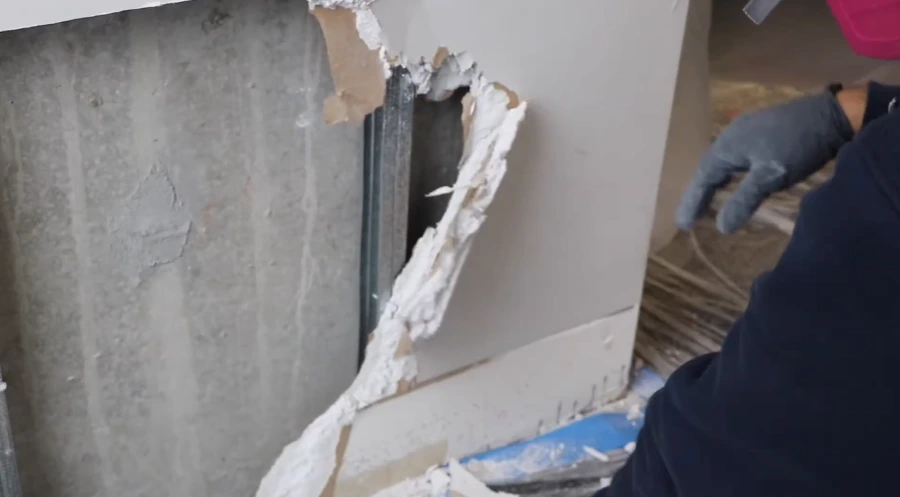
Bellevue Flood Damage Restoration: Why Drying Goes Beyond Extraction
After water is extracted, building materials remain saturated at a cellular level. Drywall absorbs water into its gypsum core. Wood framing holds moisture in its fibres. OSB subfloor retains water in its adhesive matrix. Bellevue flood damage restoration is only complete when every material returns to its pre-loss equilibrium moisture content (EMC) — a measurement taken by calibrated meters, not estimated by eye.
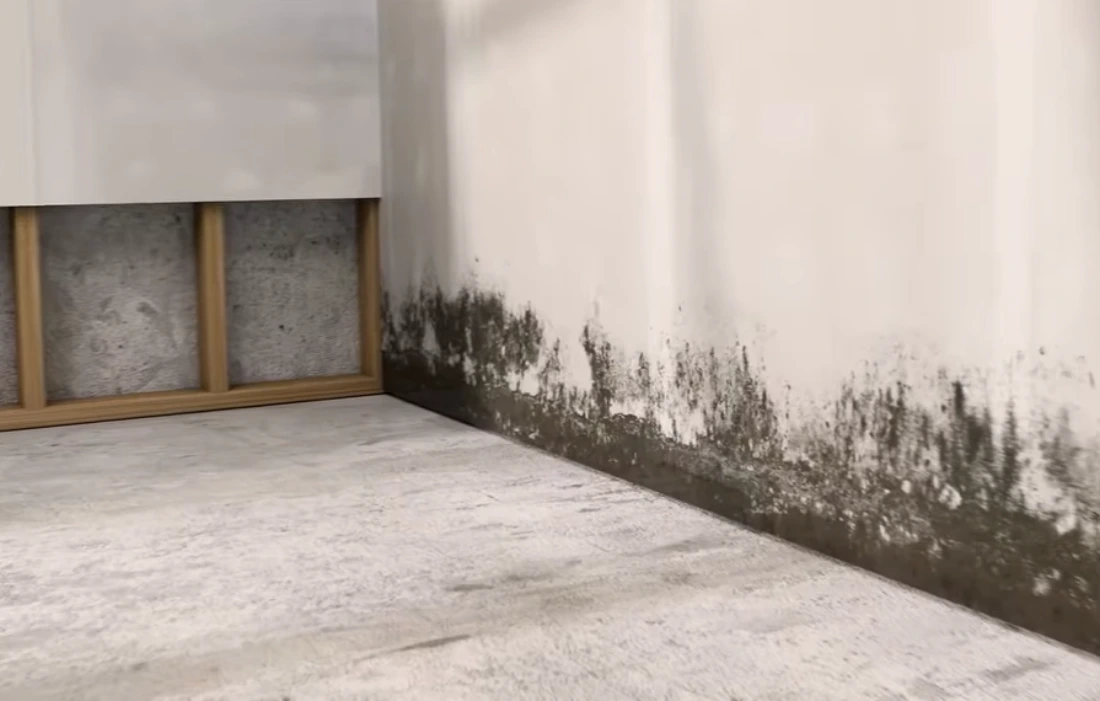
Without structural drying, this trapped moisture drives mould growth inside wall cavities, causes wood to rot at joints and fasteners, warps hardwood flooring from below, and leads to secondary damage claims months after the initial event. Our water damage restoration Bellevue drying process eliminates this risk using IICRC S500-compliant protocols.
After extraction is complete, our team immediately moves to structural drying. For homes with mould risk, see our mould remediation Bellevue page.
IICRC Certified Water Damage Drying: Equipment We Deploy
LGR Dehumidifiers
Low Grain Refrigerant units pull 80–180 pints/day at low humidity levels — far exceeding consumer units.
High-Velocity Air Movers
Positioned at floor level at precise angles to maximise evaporation rate from carpet, pad, and subfloor surfaces.
Injectidry System
Drills small ports in drywall, forcing dry air into wall cavities to dry framing and insulation without full removal.
Hardwood Drying Mats
Suction-based mats draw moisture through tongue-and-groove joints without sanding or refinishing in many cases.
FLIR Thermal Camera
Reveals moisture behind walls and under floors invisible to moisture meters alone — prevents missed wet zones.
Tramex / Delmhorst Meters
Pin and pinless meters calibrated to wood, drywall, and concrete take daily readings at documented moisture points.
The Science Behind IICRC S500 Structural Drying
The IICRC S500 Standard for Professional Water Damage Restoration defines the psychrometric science that drives our drying protocols. We do not set equipment and wait — we monitor, adjust, and document every step.
Psychrometric Analysis
Daily measurements of temperature, relative humidity, specific humidity, and dewpoint create a drying curve. A flattening curve signals the need for equipment adjustment.
Moisture Mapping
We log moisture readings at standardised points for every affected material category. This map is your insurance documentation.
Equipment Formula
IICRC S500 specifies minimum equipment quantities based on affected square footage, class of water damage, and material types present.
Drying Goals
Drying is complete when all materials reach their species- and region-specific EMC, not when a fixed number of days has elapsed.
Drying Time by Water Damage Class
| Class | Materials Affected | Typical Drying Time |
|---|---|---|
| Class 1 | Partial room, low porosity materials | 2–3 days |
| Class 2 | Entire room, carpet & lower walls saturated | 3–5 days |
| Class 3 | Ceiling, walls, subfloor all saturated | 5–7 days |
| Class 4 | Dense materials: hardwood, concrete, plaster | 7–14 days |
Need IICRC S500 Certified Drying Documentation?
Our daily moisture logs satisfy every major Washington State insurance carrier. Call Cascade Restoration Services now.
📞 (425) 555-1234 — Available 24/7Cascade Restoration Services · 6400 Northup Way Suite 104, Bellevue WA 98008