What to Do Immediately After Water Damage in Your Bellevue Home
What To Do Immediately After Water Damage in Bellevue — A Certified Technician’s Step-by-Step Guide
When water intrudes into your Bellevue home, the decisions you make in the first 30 to 60 minutes determine whether you face a $2,000 cleanup or a $20,000 restoration project. This guide is written by IICRC-certified technicians who respond to water damage events in Bellevue every week. Follow these steps in order and you will stop damage from compounding before professional help arrives.
Bellevue Water Damage Repair: What Happens If You Wait
Bellevue water damage repair outcomes are directly tied to response time. The IICRC S500 standard documents the timeline of what water does to a structure after initial intrusion:
- Minutes: Water spreads across flooring surfaces, migrates under baseboards, and begins wicking into drywall at the base.
- 1–2 hours: Drywall absorbs water into its gypsum core up to 24 inches from the floor. Wood framing begins moisture absorption at joints and fasteners.
- 6–12 hours: Furniture finishes stain and swell. Hardwood flooring cupping begins. Metal surfaces and fasteners start oxidising.
- 24–48 hours: Mould germination conditions exist in Bellevue’s climate. Structural paper-faced drywall delamination becomes irreversible. Subfloor delamination begins.
- 48+ hours: Active mould colonies. Biohazard reclassification of affected materials. Structural timber degradation.
Every hour of delay from this timeline adds cost and complexity to your restoration. The steps below are designed to reduce damage during the response window while you wait for a professional water damage restoration Bellevue team to arrive.
Step 1: Ensure Safety Before Anything Else
Water and electricity are a lethal combination. Before entering any flooded area, assess for electrical risk.
- Do not enter standing water without confirming power to the affected area has been shut off at the breaker panel.
- If the panel itself is in the affected area, call your utility (Puget Sound Energy: 1-888-225-5773) and request an emergency power disconnect before entering.
- Do not use electrical appliances in flooded areas — including battery-powered lights that could spark.
- If you smell gas, leave immediately and call PSE’s emergency line from outside the building.
- Sewage backups contain biological hazards: hepatitis A, E. coli, and Norovirus. Wear waterproof gloves and boots if you must enter before help arrives.
Step 2: Stop the Water Source
You cannot begin recovery while water is still entering. Locate and shut off the source immediately.
- Main water shut-off: In Bellevue homes, the main shut-off valve is typically located in the garage, utility room, or crawl space access. If you cannot locate it, the City of Bellevue meter box at the street (requires a meter key tool, sold at hardware stores for ~$10) will shut off all water to the property.
- Appliance supply lines: Washing machines, dishwashers, and refrigerators have individual shut-off valves at the wall connection.
- Roof leaks: If the source is a roof leak during rainfall, you cannot stop it. Focus on containing and removing standing water and protecting contents.
- Sewer backup: If floor drains are backing up, stop all water use in the home immediately — every toilet flush, sink drain, and dishwasher cycle pushes more water through the blocked line.
24 Hour Water Damage Bellevue: When to Call Before the Source Is Stopped
If you cannot locate or shut off the water source, call 24 hour water damage Bellevue professionals immediately — do not spend 20 minutes searching while water continues flowing. Our team can guide you to your shut-off valve by phone or dispatch immediately. Our (425) 555-1234 line is answered by certified technicians, not a call centre.
Step 3: Remove Excess Water — Safely
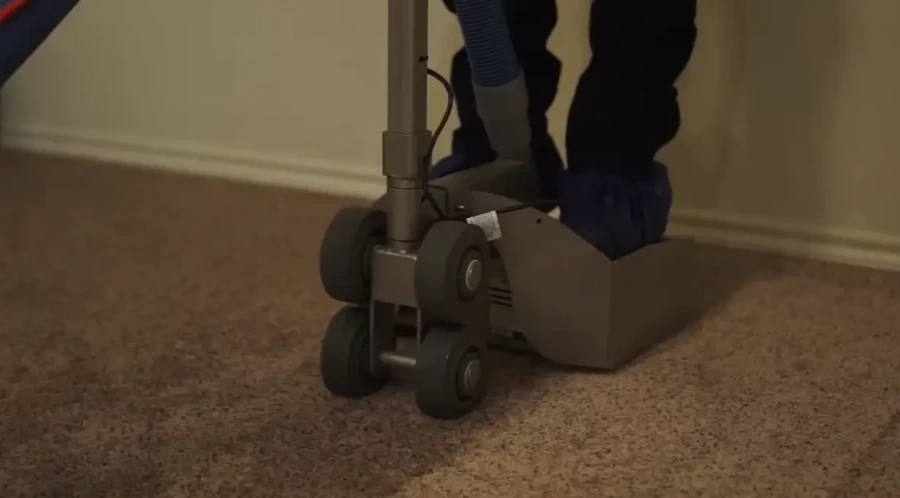
Once the source is stopped and electrical safety is confirmed, begin removing standing water. This buys time before professional equipment arrives.
- A wet/dry shop vac will remove several gallons per minute from hard floors. Empty it frequently.
- Mop and absorbent towels for smaller accumulations on hard surface floors.
- Do NOT use a standard household vacuum — it will be destroyed and potentially create electrical risk.
- Do NOT use a hair dryer or electric fan in a wet room before confirming there is no water in electrical outlets or switch boxes.
Step 4: Protect Contents from Ongoing Damage
- Move furniture to a dry area. Wet upholstered furniture cannot be dried in place — it must be removed and dried separately or discarded.
- Place aluminium foil under furniture legs that cannot be moved immediately — wood furniture stains water-saturated carpets and transfers stain permanently within hours.
- Remove wet rugs from hardwood floors — they trap moisture under them and accelerate cupping.
- Hang damp draperies over a dry rod away from the floor to allow air circulation.
- Photograph all damaged items before moving them. This documentation supports your insurance claim and is harder to produce retroactively.
Step 5: Document Everything Before Help Arrives
Insurance claims succeed on documentation. Start photographing and filming immediately.
- Photograph the water source (burst pipe, appliance, roof penetration) before any repair is made.
- Photograph all water-affected areas including walls, floors, furniture, and personal property.
- Record video walking through the entire affected area, narrating what you see.
- Do not discard any damaged materials — adjusters need to see them.
- Note the time you discovered the damage and the time you stopped the water source.
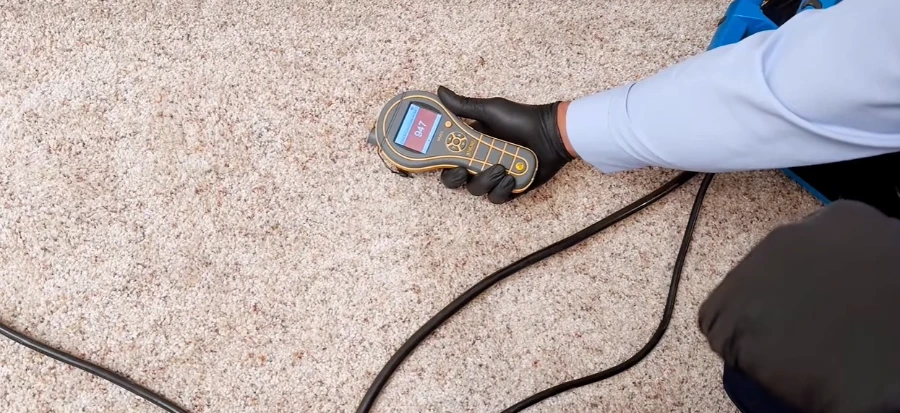
Our team will produce professional moisture documentation when we arrive, but your initial photos establish the pre-extraction state that proves the event was sudden and accidental — the coverage requirement under most Washington homeowners policies.
Step 6: Call a Certified Water Damage Restoration Company
The steps above slow the damage. Only professional equipment stops it. When calling for help in Bellevue, ask these questions to confirm you are getting a qualified response:
- Are your technicians IICRC WRT certified? (The certification required by IICRC S500)
- Do you carry truck-mounted extraction equipment?
- Do you provide daily moisture documentation?
- Do you bill insurance carriers directly?
- What is your response time to Bellevue?
Cascade Restoration Services answers yes to all five. Call (425) 555-1234 and a certified technician answers — not a call centre routing your job to a crew that answers your carrier’s preferred vendor list.
Water Damage in Your Bellevue Home Right Now?
Stop damage from compounding. Our IICRC-certified team responds in 60 minutes, 24/7, across Bellevue and the Eastside.
📞 Call (425) 555-1234 NowCascade Restoration Services · 6400 Northup Way Suite 104, Bellevue WA 98008